


The Art of Letting Go: Giving Kids Healthy Freedom to Explore The Nature, Challenge Adventures

Modern parenting has become synonymous with constant supervision, scheduled activities, and protective hovering that leaves little room for children to discover who they are without adult intervention.
The instinct to protect is natural and good, but when it morphs into controlling every moment and eliminating all risk, kids miss out on the crucial experiences that build resilience, confidence, and independence. Parents find themselves trapped between genuine safety concerns and the nagging feeling that their children need more freedom than they're currently getting. The result is exhausted adults and kids who struggle with anxiety, decision-making, and basic problem-solving.
The solution isn't choosing between being reckless or overprotective.
It's learning to calibrate your involvement based on actual risk rather than imagined catastrophe. Healthy freedom means creating expanding circles of independence that grow as your child demonstrates readiness. It means accepting that minor injuries, social conflicts, and mistakes are not parenting failures but essential learning opportunities. When kids have space to explore, experiment, and occasionally fail within safe boundaries, they develop the competence and self-trust that will carry them through life.
This shift requires parents to confront their own anxieties and distinguish between keeping kids safe and keeping themselves comfortable.
The goal isn't to throw caution to the wind or ignore legitimate dangers. It's to recognize that the greatest risk might actually be raising children who reach adulthood without ever having navigated challenges independently. Kids need to climb trees, walk to friends' houses, resolve their own disagreements, and make choices that sometimes lead to natural consequences.
Learning to let go is genuinely difficult, especially in a culture that judges parents harshly for anything that goes wrong.
But the payoff is enormous: children who are capable, confident, and prepared for the real world. The following strategies will help you find that balance between protection and freedom, ensuring your kids get the experiences they need while you maintain appropriate oversight and safety.
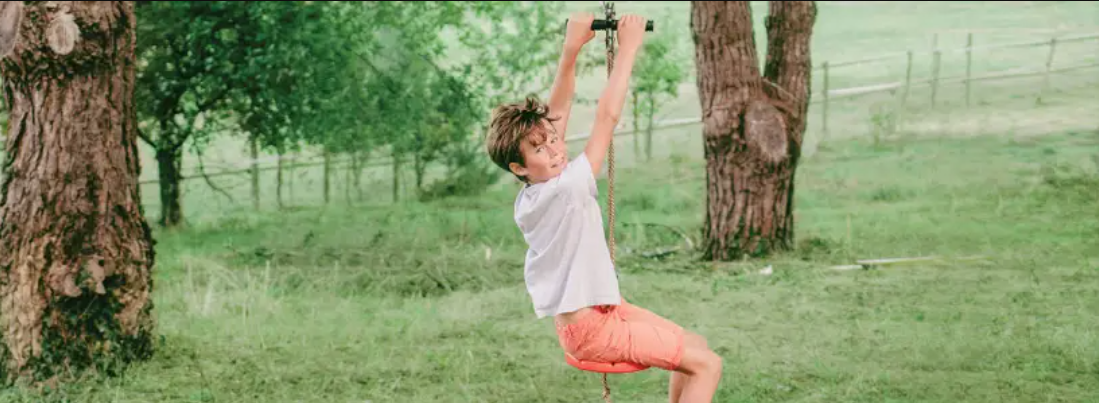
The question of how much freedom to give kids doesn't have a one-size-fits-all answer because readiness varies dramatically based on individual maturity, environment, and specific activities.
What works for a responsible nine-year-old in a quiet neighborhood might not work for a different child in different circumstances. The key is evaluating your specific child's demonstrated judgment rather than relying solely on age-based guidelines or comparing them to peers. Some kids are ready for certain freedoms earlier, while others need more time, and that's perfectly okay.
Start by observing how your child handles small responsibilities and minor challenges.
Do they follow through on commitments without constant reminders? Can they recognize and respond appropriately to potential problems? Do they ask for help when truly needed rather than either never asking or constantly demanding assistance? These behaviors reveal readiness far better than hitting a certain birthday. A child who consistently forgets their homework probably isn't ready to walk home alone from school, while one who proactively manages their morning routine might be ready for more significant independence.
Create a progression of freedoms that build on each other logically.
Before a child walks to school alone, they walk with you while you discuss route safety, traffic awareness, and what to do if something unexpected happens. Then they lead the walk while you follow. Eventually, you watch from a distance. Finally, they go independently, but you've built up their skills and judgment systematically. This graduated approach applies to everything from playground independence to staying home alone to navigating public transportation.
Consider your specific environment honestly.
A child in a pedestrian-friendly neighborhood with sidewalks faces different risks than one in a rural area with no shoulders and fast traffic. Urban kids might gain independence through public transit and walking, while suburban kids might need different skills. Don't let guilt about your location drive your decisions. Work with what you have rather than wishing circumstances were different. The goal is helping your child develop competence in their actual environment, not an idealized one. Trust your knowledge of your child and your community more than generic advice or parenting trends that might not fit your reality.
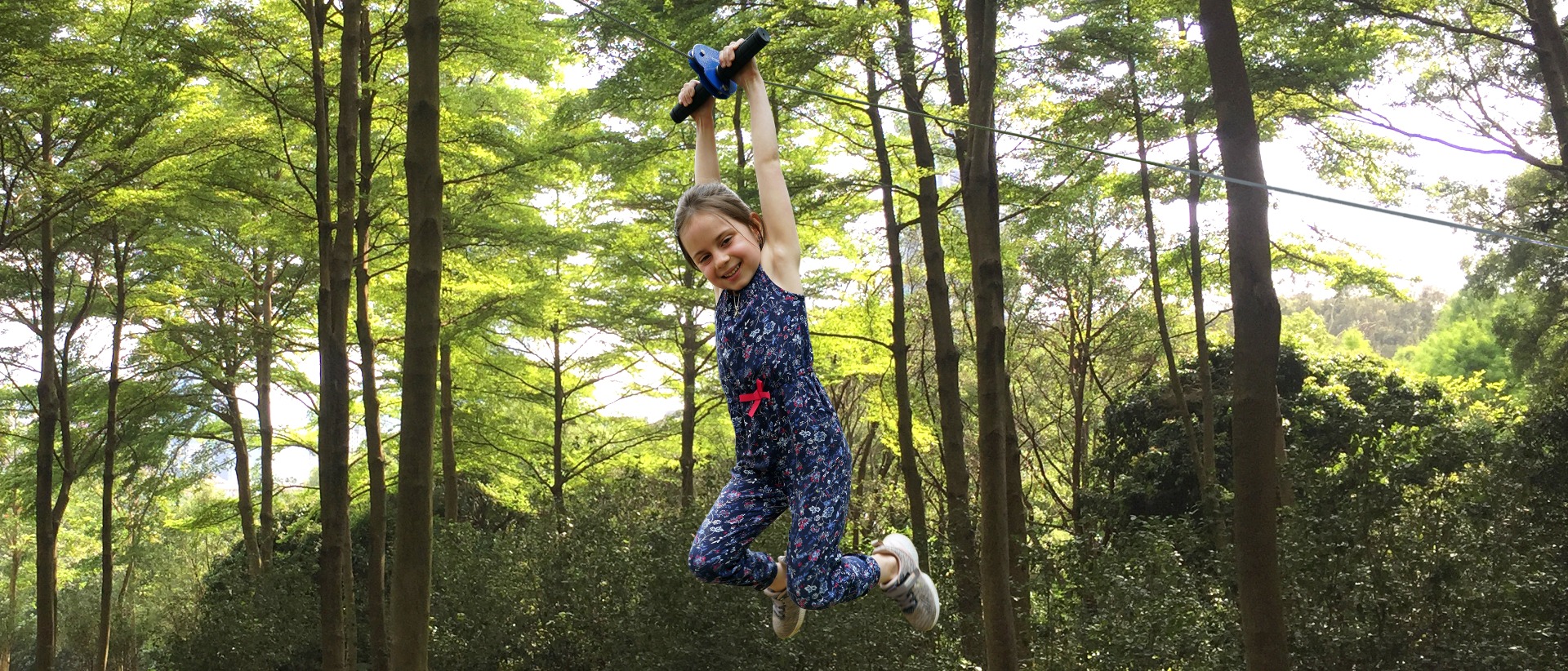
Freedom without any structure isn't actually helpful and can genuinely be dangerous.
Kids need clear boundaries that define where they can explore, what activities are permitted, and what situations require checking in with adults. These boundaries should be explicit, discussed thoroughly, and adjusted as children demonstrate growing competence. The sweet spot is creating enough structure to ensure safety while leaving enough open space for genuine autonomy and discovery.
Physical boundaries work well for younger children just beginning to gain independence.
Define specific areas where they can play without direct supervision: the backyard, the front yard up to a certain landmark, the park within your line of sight, or specific houses on your block they can visit. Make sure your child can clearly articulate these boundaries and understands why they exist. As they reliably respect these limits, expand them gradually. The visible boundary might extend to the end of the street, then to a friend's house two blocks away, then to the library or corner store.
Time boundaries matter just as much as physical ones.
Establish check-in times that give kids freedom within defined parameters. An older child going to the park might need to be home by 5:30, or a teen going out with friends knows to text when they arrive at their destination. These aren't about control; they're about basic communication that respects everyone's need for information. Make check-in requirements reasonable and connected to actual safety rather than simply wanting to know every detail. A quick text saying "at Jake's house" is different from demanding minute-by-minute updates.
Activity boundaries establish what kids can do within their areas of freedom.
Maybe they can ride bikes but not go to the creek without an adult. They can walk to a friend's house but need to tell you before going inside. They can play basketball at the park but shouldn't leave with someone you haven't met. These guidelines help kids understand that freedom comes with responsibility and that different activities carry different risk levels. Be willing to explain your reasoning rather than simply saying "because I said so." When kids understand the "why" behind rules, they're more likely to internalize the judgment that keeps them safe even when you're not there. Boundaries should feel like safety nets, not cages.
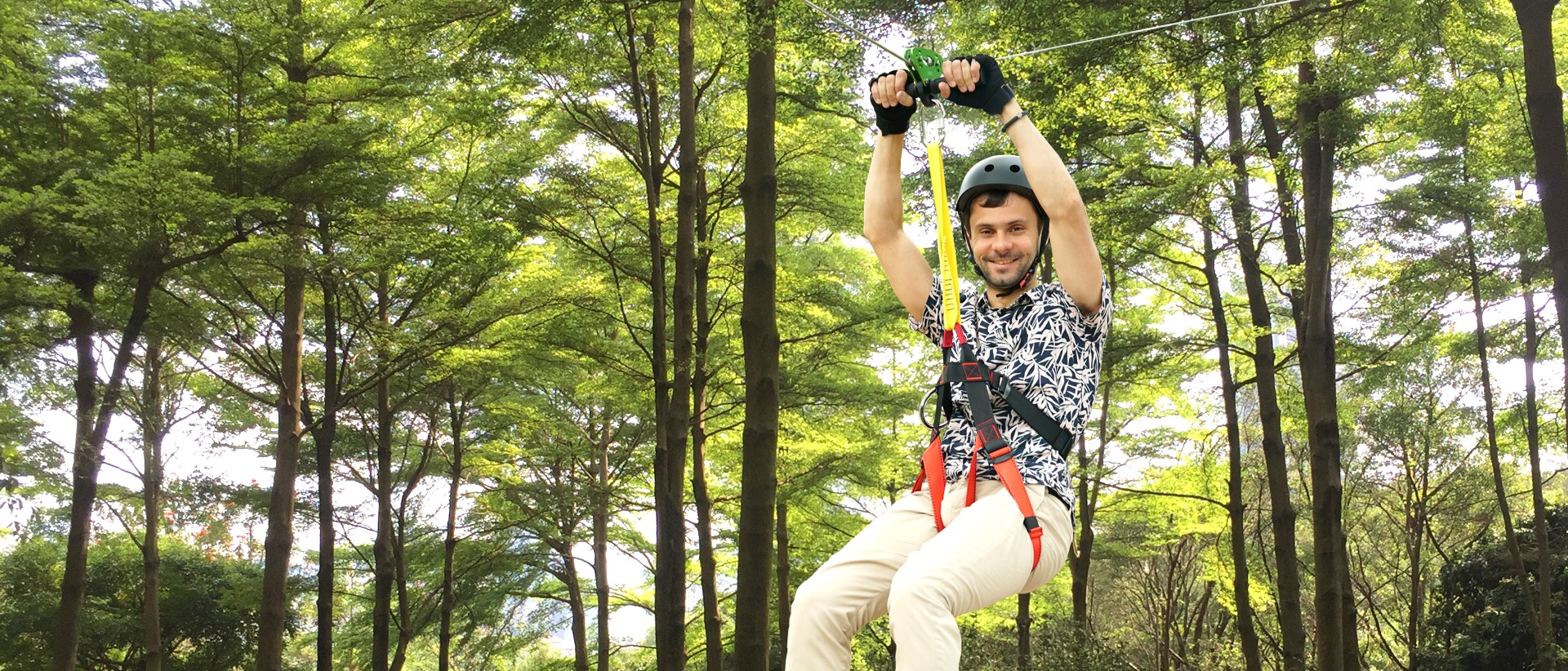
Giving kids freedom without teaching them how to navigate it responsibly is setting them up for failure.
The goal isn't just letting them go; it's equipping them with the skills to handle what they encounter. Risk assessment and problem-solving are learned abilities that develop through practice and coaching. Kids don't automatically know how to evaluate situations, anticipate problems, or generate solutions. These are skills you can teach explicitly through conversation, modeling, and debriefing real experiences.
Start with hypothetical scenarios long before they face real ones.
"What would you do if you got to the park and realized you forgot your water bottle?" "If a stranger asked you for help finding their lost dog, how would you respond?" "What if you're walking home and a storm starts?" Talk through various options, discussing the pros and cons of different approaches. This mental rehearsal builds neural pathways that help kids think clearly when actual challenges arise. Keep these conversations light and exploratory rather than scary or preachy. The goal is building competence, not creating anxiety.
When kids do encounter problems during their independent time, resist the urge to immediately swoop in and fix everything. Instead, ask questions that help them think through solutions.
"That sounds frustrating. What do you think your options are?" "Have you dealt with anything similar before?" "What do you think would happen if you tried that?" This coaching approach develops their problem-solving muscles rather than leaving them dependent on you for answers. They learn to trust their own judgment and resourcefulness.
Use mistakes and close calls as teaching moments rather than reasons to revoke all freedom.
If your child goes slightly beyond the agreed boundary, discuss what happened and why boundaries matter without making it a massive crisis. If they don't speak up when feeling uncomfortable in a situation, talk about trusting their instincts and strategies for extracting themselves next time. Every experience, positive or negative, offers data that refines their judgment. Kids who never make small mistakes in low-stakes situations will make bigger ones later when the consequences are more serious. Let them learn while the safety net is still strong and your guidance is readily available.
The goal is raising adults who can assess situations and solve problems independently, and that only happens through practice.
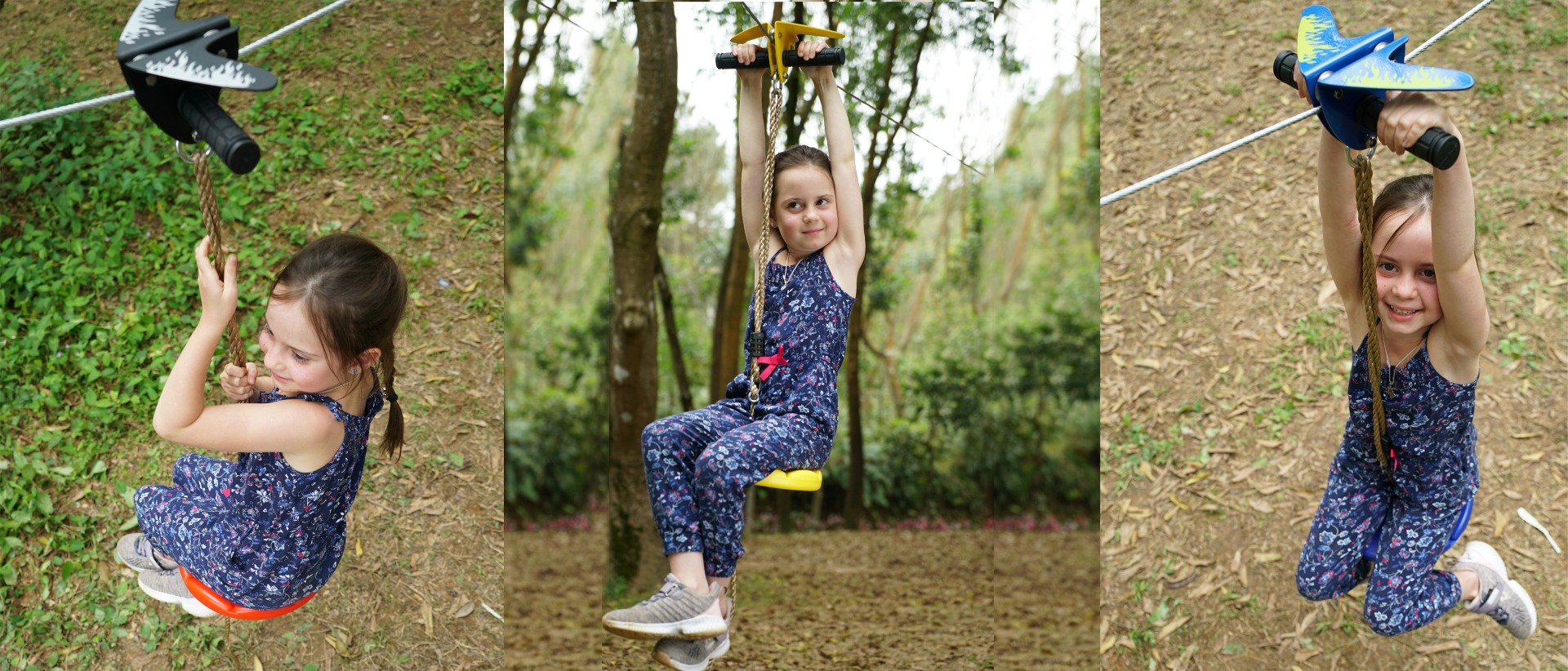
The hardest part of giving kids healthy freedom often has nothing to do with the kids themselves.
It's managing your own fear, handling judgment from other parents, and resisting cultural messages that equate good parenting with constant supervision. Every parent worries about their child's safety, but when that worry becomes paralyzing or leads to restrictions that harm more than help, it's worth examining where those feelings come from and whether they're proportional to actual risk.
Start by distinguishing between realistic concerns and catastrophic thinking.
Yes, bad things can happen, but they're statistically rare, and wrapping kids in bubble wrap doesn't actually prevent all harm while it definitely prevents growth. Ask yourself: "What's the actual likelihood of this feared outcome?" "What's the cost of avoiding this risk entirely?" "Am I responding to real danger or media-amplified fear?" News coverage and social media create distorted perceptions of risk because we hear about every terrible incident nationwide while ignoring the millions of kids who play outside, walk places, and handle independence without incident every single day.
Recognize that your anxiety, while understandable, is your issue to manage rather than your child's burden to accommodate.
If letting your child walk to school makes you anxious despite being objectively safe, the solution isn't keeping them home. It's working on your own coping strategies: deep breathing, cognitive reframing, talking with friends who parent similarly, or even professional support if anxiety significantly impacts your functioning. Kids pick up on parental anxiety and internalize the message that the world is terrifying and they're not capable. Breaking that cycle is gift you give them.
Societal pressure adds another layer of difficulty.
Other parents might criticize your choices, either directly or through pointed comments and judgmental looks. Kids playing outside unsupervised might prompt concerned neighbors to call authorities, even when nothing dangerous is happening. This reality is genuinely difficult and sometimes requires careful navigation of local norms and even laws. Find your people: parents who share your values about childhood independence. These relationships provide both support and practical benefits like cooperative arrangements where kids can explore together. Consider connecting with organizations that advocate for childhood independence and reasonable legal protections for parents who allow age-appropriate freedom.
Remember that you're not just parenting your own child; you're modeling for them what it looks like to make choices based on values rather than fear. That lesson might be one of the most important things you teach.
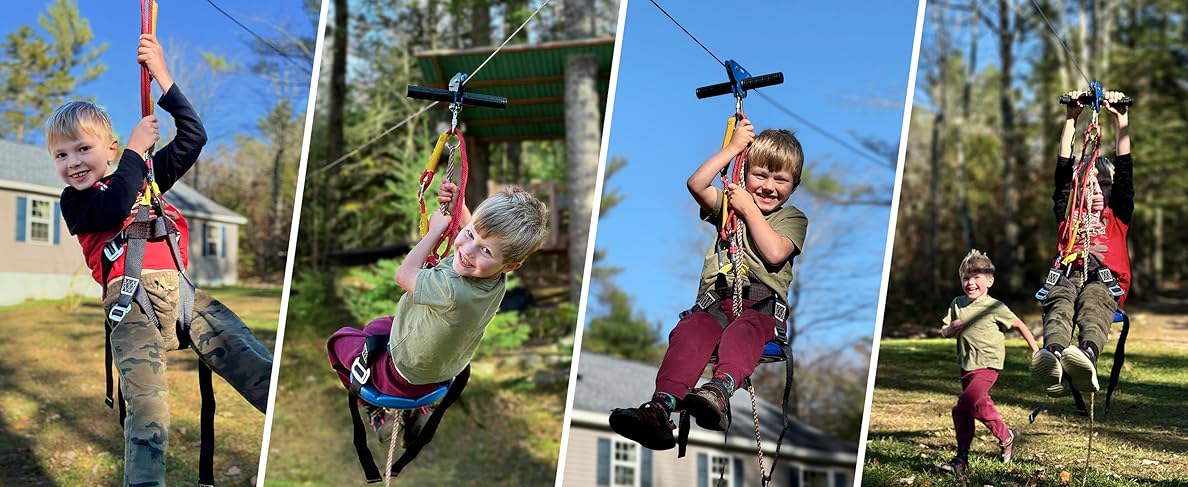
Letting go is genuinely one of the hardest parts of parenting because it requires living with uncertainty and accepting that you can't control every outcome.
The desire to protect your child from all harm is beautiful and natural, but pursuing that impossible goal actually causes a different kind of harm. Kids who reach adolescence and adulthood without having developed independence, resilience, and problem-solving skills struggle in profound ways. They face higher rates of anxiety and depression, difficulty with decision-making, and lack of confidence in their own capabilities. The irony is that overprotection, motivated by love, can undermine the very wellbeing it aims to preserve.
The strategies outlined here work because they balance legitimate safety concerns with the equally legitimate need for children to develop autonomy.
This isn't about being permissive or careless. It's about being intentional, thoughtful, and willing to calibrate your approach based on your individual child's readiness and your specific circumstances. Start small if this feels overwhelming. Choose one area where you can extend slightly more freedom and see how it goes. Build from there as both you and your child gain confidence.
Remember that mistakes will happen, both yours and theirs. That's not failure; that's life and learning.
When something doesn't go as planned, reflect on what happened, adjust if needed, and keep moving forward. Some experiments with freedom will go beautifully, confirming your child's readiness. Others will reveal they need more coaching or that certain freedoms should wait. Both outcomes provide valuable information.
The goal isn't reaching some specific milestone or comparing your child's independence to others their age.
The goal is raising a capable adult who can navigate the world with confidence, make good decisions, recover from setbacks, and live a full, autonomous life. That person doesn't emerge fully formed at age eighteen. They develop gradually through thousands of small moments of freedom, responsibility, and problem-solving throughout childhood. Give your kids those moments. Trust their growing competence. Manage your own anxiety with compassion for yourself but commitment to what's best for them.
The temporary discomfort of letting go creates lasting capability, resilience, and confidence that will serve your children for their entire lives. That's worth the risk.
Experience the thrill of adventure and elevate your outdoor fun! buyers please feel free to contact:sales@iziplineinc.com Discover the ultimate Backyard Adventure with www.iziplineinc.com and bring home the perfect holiday gift that keeps USA kids active and entertained since 2004! Click here to get more info including current pricing - #1 TOP RATED zipline on amazon: https://amzn.to/3UWBDFK


