Mud, Mess, and Magic: Why Kids Need More Unstructured Play

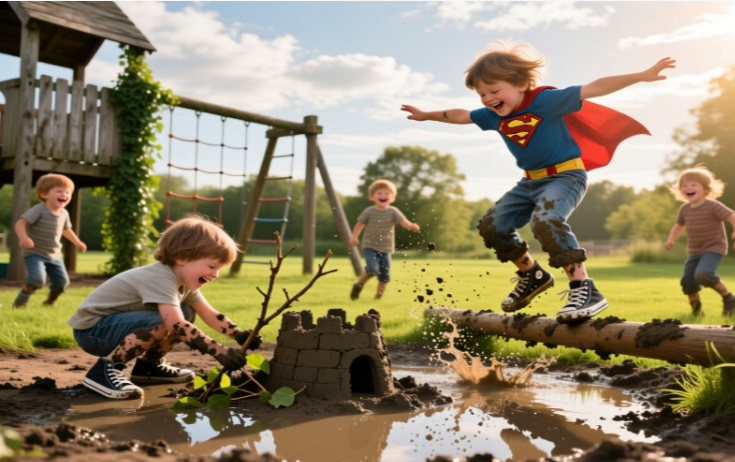
The solution isn't negligence or ignoring genuine safety concerns.
It's understanding that mud, mess, and minor risks are features of healthy childhood development, not bugs to be eliminated. Kids need unstructured time outside where adults aren't directing every moment, where getting dirty is expected rather than prevented, where small failures and physical challenges are part of the experience. This kind of play isn't frivolous entertainment between educational activities. It's essential work that builds physical capabilities, emotional regulation, creativity, social skills, and the kind of resilience that can't be taught through adult-led lessons but only learned through direct experience.
The research on this is overwhelming and consistent. Children who engage in regular outdoor unstructured play show better physical health, stronger immune systems, improved mental health, enhanced creativity and problem-solving abilities, and better social skills.
They're more physically capable, less anxious, and better able to handle challenges and setbacks. These benefits don't come from organized sports or supervised playground time. They come specifically from the kind of free-range, somewhat messy, slightly risky play that makes modern parents nervous but that every generation before ours considered completely normal childhood behavior. Reclaiming this kind of play for today's kids requires consciously pushing back against the cultural forces telling parents that good parenting means constant supervision, perpetual cleanliness, and elimination of all risk. It means letting kids be kids in ways that might make you uncomfortable but that their development desperately needs.
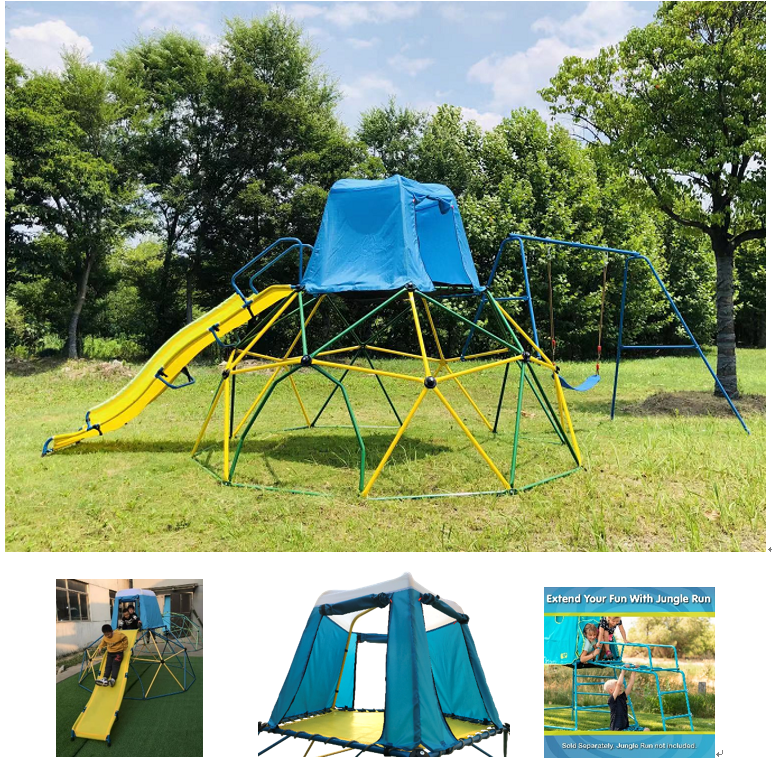
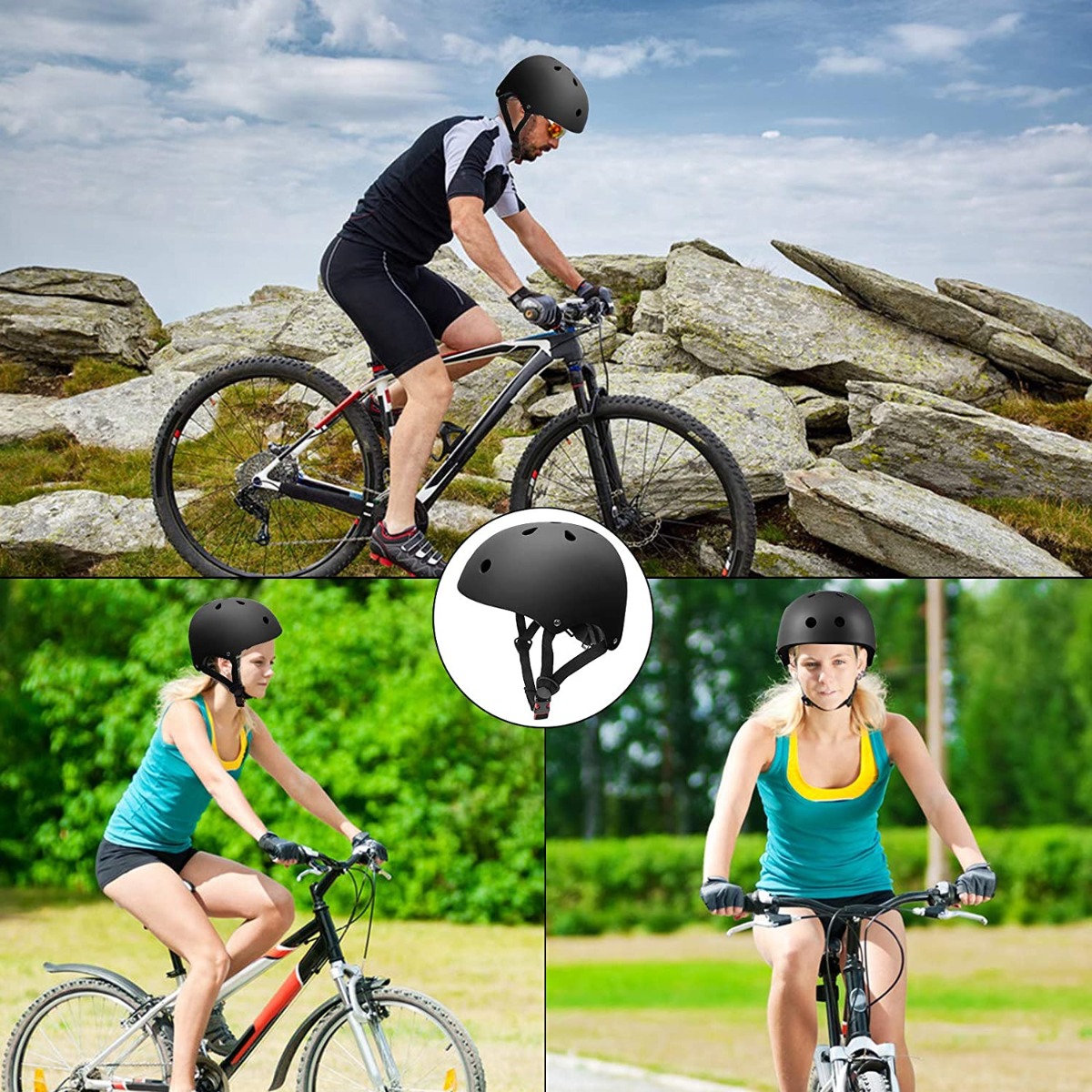
Love sports, love fun and love life! kids and parents would love to enjoy together to have a blast during weekends and have a family reunion.
The Irreplaceable Physical Development of Outdoor Play
Children's bodies are designed to move, climb, run, and test physical limits in ways that indoor environments and structured activities simply cannot accommodate. When kids spend hours outside with freedom to explore, they naturally engage in the varied physical challenges that build strength, coordination, balance, and spatial awareness. Climbing trees teaches proprioception and builds upper body strength. Jumping across creek beds develops explosive power and landing mechanics. Walking on uneven terrain strengthens ankles and improves balance in ways that flat surfaces never can. These physical experiences aren't just about fitness. They're building the foundational movement patterns and body awareness that children need for lifelong physical capability and injury prevention.
The difference between structured sports and unstructured outdoor play is significant for physical development. Sports are valuable, but they tend to involve repetitive movements specific to that sport performed on standardized surfaces.
Kids in soccer spend hours running and kicking on flat fields. Kids in gymnastics perform specific skills on mats and equipment. These activities build certain capabilities but within narrow ranges. Unstructured outdoor play involves infinitely varied movements across changing terrain solving physical problems that kids create for themselves: how do I get across this stream without getting wet, how high can I climb this tree safely, can I balance on this log, how fast can I run down this hill without falling. This variety builds general physical competence and adaptability that specialized sports simply cannot provide.
The immune system benefits profoundly from outdoor play in dirt and nature. The hygiene hypothesis (now well-supported by research) shows that exposure to diverse microbes in early childhood trains the immune system to distinguish between harmless and harmful substances, reducing risks of allergies, asthma, and autoimmune conditions. Kids who play in dirt, touch plants and animals, and spend significant time outdoors have measurably stronger immune systems and lower rates of allergic conditions than children raised in perpetually sanitized environments. The mud and mess that parents anxiously try to prevent is actually providing valuable immune training. Obviously, basic hygiene still matters (washing hands before eating, treating actual wounds properly), but the compulsive sanitization after every contact with nature is counterproductive and potentially harmful to long-term health.
Emotional Regulation and Resilience Through Unstructured Experience
Kids who never face minor challenges, experience small failures, or navigate social conflicts without adult intervention never develop the emotional regulation skills and resilience that these experiences build.
When adults constantly smooth the path, solve problems, and prevent any negative emotion, children don't learn that they can handle difficulty. They learn that difficulty is intolerable and requires adult rescue. This creates anxiety and helplessness that follows them into adolescence and adulthood, manifesting as the fragility and mental health struggles increasingly common in young people who've been protected from every discomfort.
Unstructured outdoor play naturally includes challenges and failures that children navigate themselves. The tree branch breaks and they fall (probably a few feet onto grass, not a life-threatening height). The fort they built collapses. The friend group gets into a disagreement about game rules that they have to resolve without a teacher mediating. They get tired, cold, wet, frustrated, or bored and have to figure out what to do about it. These small difficulties are how children learn that negative feelings and setbacks are temporary and manageable, that they have internal resources to solve problems, and that they can handle more than they thought. Each successful navigation of a minor challenge builds confidence and capability. Each failure followed by recovery teaches resilience. Remove these opportunities, and you remove the mechanism through which emotional strength develops.
The boredom that parents desperately try to prevent through constant entertainment and activities is actually a crucial developmental experience.
Boredom is the prompt that forces creativity and initiative. A child who's never bored never has to generate their own entertainment, create their own games, or develop their own interests. They become passive consumers of adult-provided stimulation rather than active creators of their own experience. Kids left outside with time, space, and nothing specific to do will create elaborate imaginary worlds, invent games with complex rules, build structures from natural materials, and engage in the kind of creative play that screens and structured activities simply cannot replicate. This capacity for self-directed activity and creative problem-solving is foundational for future success in virtually every domain, yet it's systematically being eliminated from childhood through over-scheduling and over-entertainment.
Social Skills and Conflict Resolution Without Adult Mediation
Adult-mediated social interactions teach children completely different lessons than peer-navigated social experiences. When teachers or parents immediately intervene in every disagreement, children learn to appeal to authority rather than develop conflict resolution skills. They don't learn to negotiate, compromise, assert boundaries, or repair relationships because adults do all that work for them. Then we wonder why adolescents and young adults struggle with interpersonal conflicts and require authority figures to mediate basic social situations. They're struggling because they never practiced the skills during the developmental window when they should have been learning through trial and error.
Unstructured play with peers requires constant social navigation that builds essential skills. Who gets to decide game rules? How do you join a group that's already playing? What happens when someone cheats or breaks the rules? How do you balance what you want to play with what others want? What do you do when someone excludes you or when you don't want to include someone? These situations are emotionally challenging, and kids will sometimes handle them poorly. They'll be mean occasionally, they'll get their feelings hurt, they'll experience exclusion and conflict. This is exactly the point. Learning social skills requires practice, including making mistakes and experiencing consequences within the relatively safe context of childhood peer interactions. Adult-free time allows these social experiments to happen and natural consequences to teach lessons that adult intervention prevents.
The hierarchy and social complexity that emerges in free play teaches children to navigate different social roles and read social cues.
Mixed-age play (increasingly rare but incredibly valuable) naturally creates leadership opportunities for older kids and learning opportunities for younger ones. Kids learn to calibrate their behavior for different audiences, to read others' emotions and intentions, to assert themselves or hold back depending on context. These subtle social skills don't come from adult-structured activities where everyone gets equal turns and everything is fair by decree. They come from messy, imperfect social interactions where kids figure out through experience how to work with different personalities, how to be a good friend, and how to stand up for themselves when needed. Social competence isn't taught through lessons. It's learned through thousands of small interactions, negotiations, conflicts, and resolutions that happen naturally during unstructured peer play.
Creativity and Problem-Solving Through Open-Ended Experience
Structured activities with predetermined outcomes and adult guidance teach children to follow directions and meet expectations. These are useful skills, but they're not creativity. Actual creativity and problem-solving develop when children face open-ended challenges with no obvious solution and no adult telling them the "right" way to proceed. Building a dam in a creek, creating an imaginary world with friends, figuring out how to get the ball unstuck from the tree, inventing a game with found materials. These experiences require generating ideas, testing them, learning from failures, and trying again. This is real problem-solving and creative thinking that translates to every domain of adult life.
Natural environments provide infinitely varied, open-ended materials that inspire creative play in ways that manufactured toys rarely can.
A stick can be a sword, fishing pole, building material, magic wand, or anything imagination suggests. Mud can be sculpted, thrown, used for construction, or become the basis of an elaborate kitchen scenario. Rocks become treasures, building blocks, or game pieces. The lack of predetermined purpose is precisely what makes these materials so valuable for creative development. When a toy comes with instructions and a specific purpose, it constrains imagination. When a child is handed a stick and some time, the possibilities are limited only by creativity. The best play environments are rich in these loose parts and natural materials that can be endlessly recombined and reimagined.
The physical problem-solving inherent in outdoor play builds cognitive capabilities that transfer to academic and professional contexts. Figuring out how to cross a creek without getting wet requires hypothesis formation (if I step on those rocks), testing (trying it), evaluation (that rock was too slippery), and revision (I need to find different rocks or a different strategy). This is the scientific method in action, learned through direct experience rather than abstract instruction. The spatial reasoning required to build a fort, the physics understanding developed through playing with water and gravity, the mathematical thinking involved in counting and dividing found treasures. All of these cognitive skills develop naturally during unstructured outdoor play in ways that feel like fun rather than learning but that provide genuine educational value that worksheets and lessons cannot replicate.
Final Thoughts to Make Kids and Parents a Wonderful Childhood Memories
Reclaiming mud, mess, and unstructured outdoor play for modern childhood requires parents to consciously resist cultural pressures toward over-scheduling, over-sanitizing, and over-protecting. This doesn't mean negligent parenting or ignoring reasonable safety. It means recognizing that some risk is necessary for development, that dirt is healthy rather than dangerous, and that boredom and lack of adult direction are features rather than failures of good childhoods. The research is clear and the anecdotal evidence from previous generations is overwhelming: kids need significant time outside, ideally in nature, with freedom to explore, get messy, take minor risks, and direct their own activity without constant adult supervision and intervention.
The practical implementation varies by family circumstances, but the core principles remain consistent.
Prioritize daily outdoor time even when it's inconvenient. Resist the urge to fill every afternoon with organized activities. Let kids get dirty without rushing to clean them. Allow them to climb, run, and engage in physical challenges appropriate to their abilities. Give them unstructured time with peers where you're not hovering and mediating every interaction. Accept that they'll sometimes get hurt, have conflicts, and experience failure. These aren't signs of bad parenting. They're signs of childhood that's providing the experiences necessary for healthy development.
Start small if this feels radically different from your current parenting approach. Maybe it's one afternoon per week where screens are off and kids are sent outside with no specific activity planned. Maybe it's saying yes when they ask to climb something that makes you slightly nervous but isn't genuinely dangerous. Maybe it's stepping back from mediating every social conflict and letting kids work it out themselves. Each small step toward more unstructured, slightly messy, minimally supervised outdoor play is an investment in your child's physical health, emotional resilience, social capability, and creative thinking. The magic of childhood isn't found in carefully curated Pinterest-worthy activities or expensive enrichment programs. It's found in mud, mess, and the freedom to simply be a kid exploring the world with minimal interference.
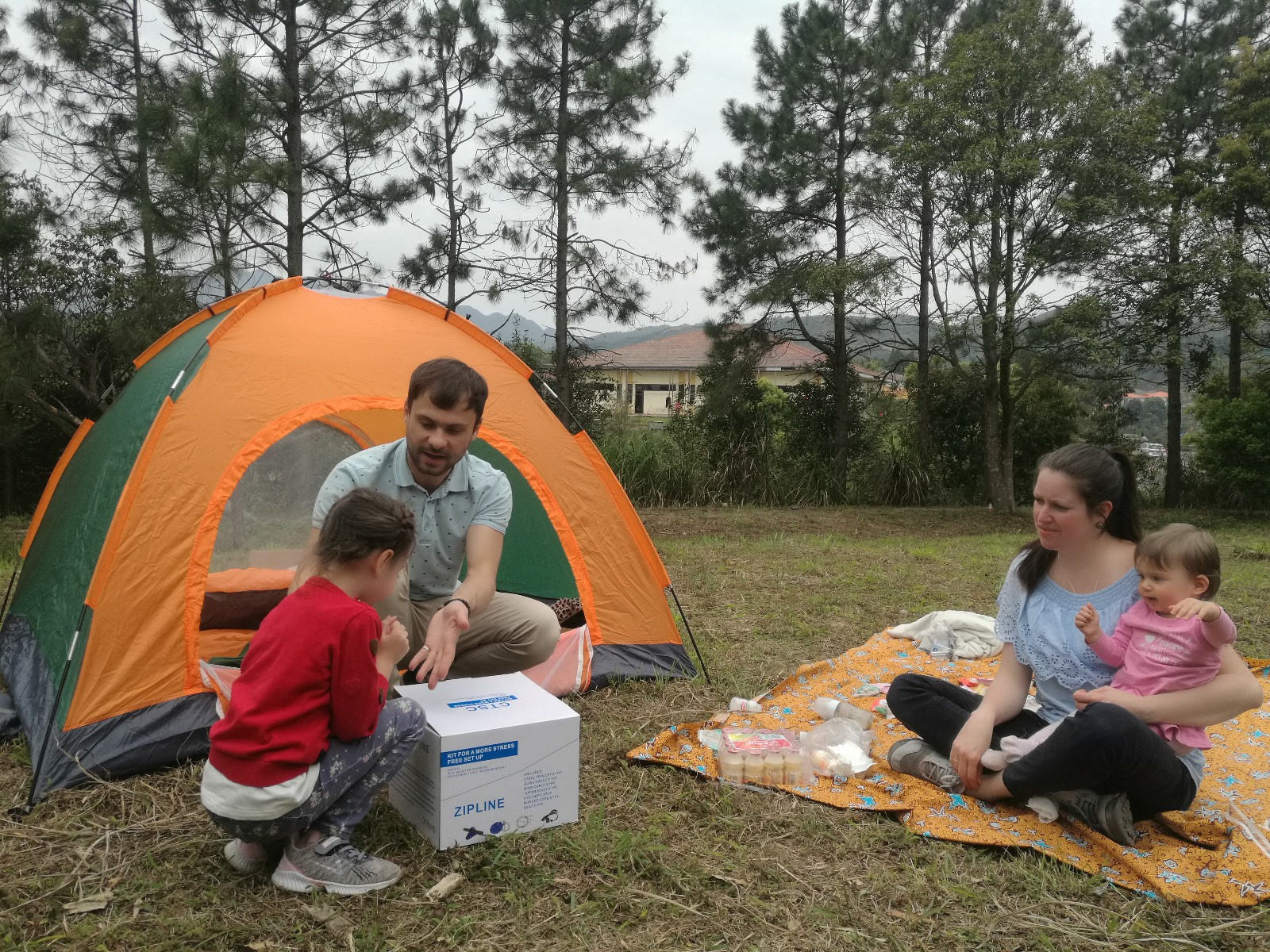
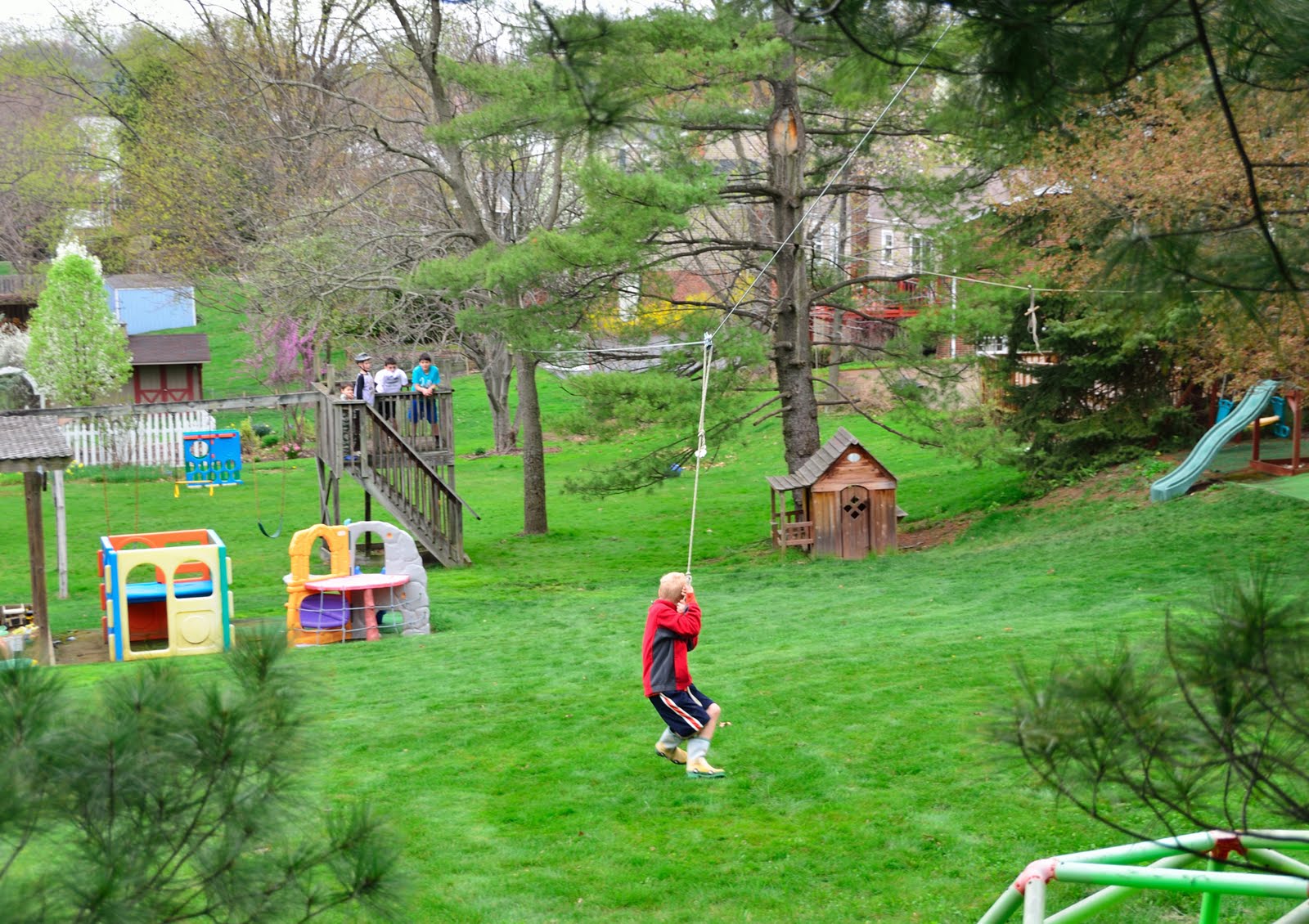
Ziplining, Trampoline, Dome Climber and other backyard adventure activities will motivate kids to play a meaningful life, start to move and bring kids and parents a memorable childhood!!
Please email to support@iziplineinc.com and we will provide a one-step-solution for your Backyard Adventure.